
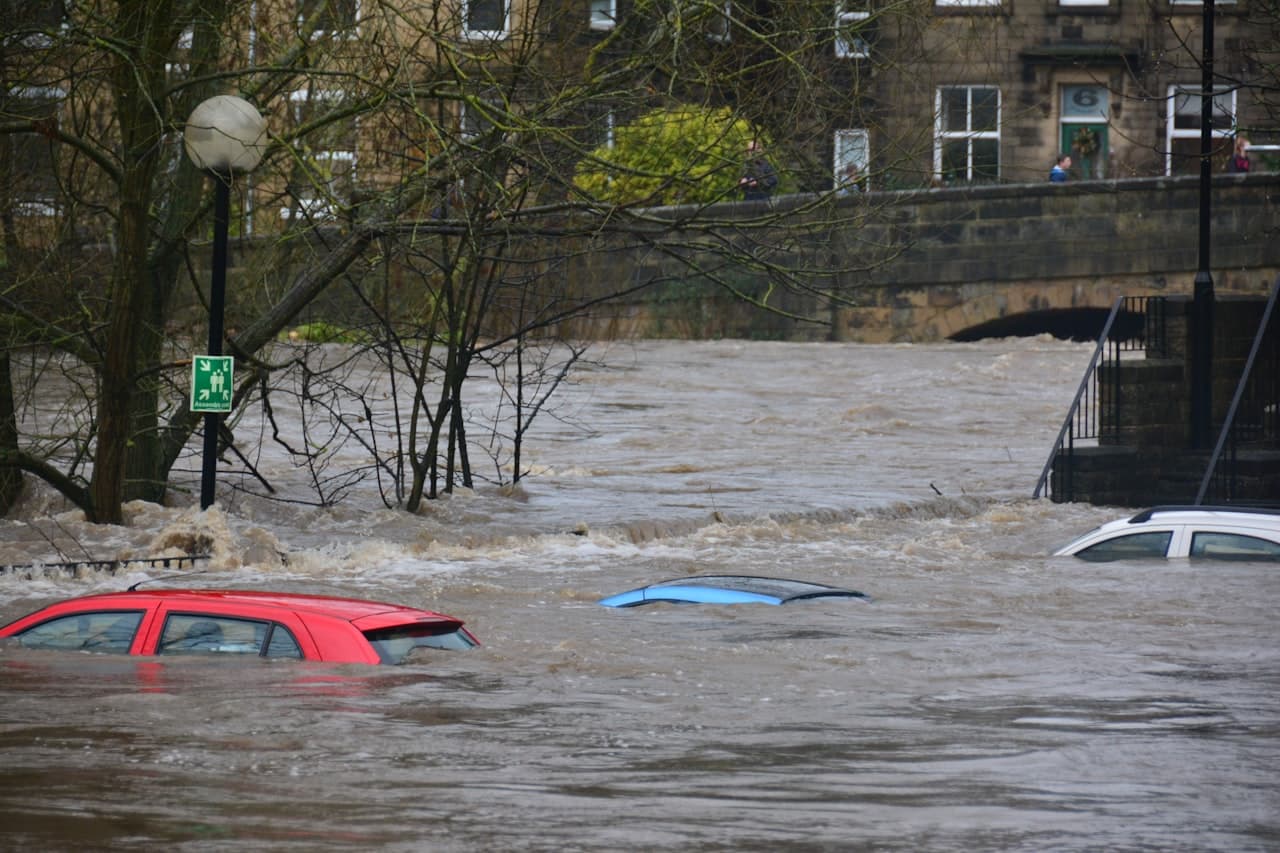
On Long Island, flood risk isn't a 'maybe.' It's a 'when.'
Long Island flood coverage — built for the south shore
Bohemia sits in Suffolk County, where the south shore is some of the most flood-vulnerable terrain in the Northeast. Sandy changed everything — FEMA re-mapped large portions of Long Island after the storm, and homes that were never considered at-risk suddenly were. Roughly 220,000 Long Islanders — about 15% of the population — now live in an area FEMA classifies as a flood zone in a worst-case hurricane scenario.
If you live anywhere from Sayville to Patchogue, Bay Shore to Blue Point, or along the Connetquot River corridor, this isn't theoretical. It's the reason we make sure every client has the conversation, even if they decide flood coverage isn't right for them today.

What every Long Island homeowner should know
Your homeowners policy does not cover flood — flood damage requires a separate policy through the NFIP or a private flood carrier. There's a 30-day waiting period, so you can't buy a policy when the storm is in the forecast; the time to act is before hurricane season, not during it. You don't have to be in a high-risk zone to flood — FEMA notes homeowners in low- and moderate-risk areas are five times more likely to experience a flood than a fire over the next 30 years. Standard NFIP policies cap building coverage at $250,000 and contents at $100,000. If your home is worth more, a private flood policy or excess flood coverage can fill the gap. We'll pull your property's FEMA flood zone, walk you through what it means in plain language, and help you decide whether NFIP, a private flood policy, or a combination makes the most sense for your home.
- NFIP Policies
- Private Flood Policies
- Excess Flood Coverage
- Dwelling & Foundation
- Personal Contents
- Debris Removal
Frequently Asked Questions
Do I need flood insurance if I'm not in a flood zone?
How long before my flood insurance takes effect?
What does flood insurance actually cover?
What should I do if my home floods?
Get a Free Quote
Tell us about you — we'll take it from there.
Local agents who live on Long Island and know your flood zone